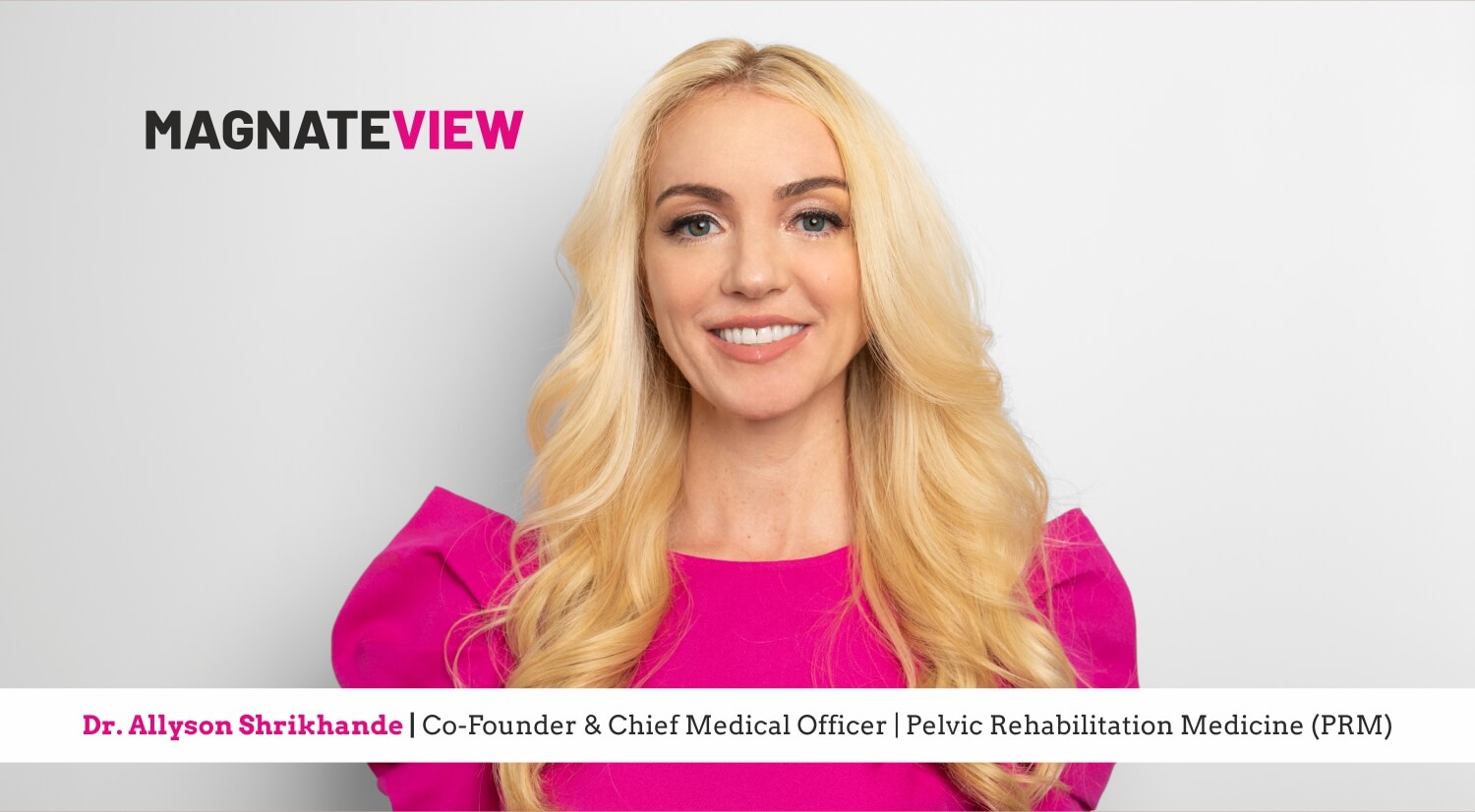
In this interview, we delve into the remarkable story of how Dr. Allyson Shrikhande, the Co-Founder and Chief Medical Officer of Pelvic Rehabilitation Medicine (PRM), embarked on her path to transform pelvic pain care. Join us as Dr. Shrikhande shares her insights on ongoing research, systemic gaps in pelvic health, her multidisciplinary approach to treatment, and her passion for educating the public and future medical professionals. Discover what makes PRM a pioneering force in pelvic rehabilitation, how Dr. Shrikhande empowers her patients, and her enduring mission to elevate awareness and advocacy around conditions like Endometriosis. Prepare to be inspired by her commitment to listening, validating, and restoring hope to those who have long gone unheard.
Ongoing Research and Excitement for the Future
Dr. Allyson Shrikhande is currently leading research focused on optimizing surgical outcomes for Endometriosis by combining operative interventions with PRM’s office-based protocol. This innovative approach directly targets the neurogenic inflammatory cascade, aiming to improve pelvic pain symptoms and reduce the progression of Endometriosis lesions. It’s a promising direction that blends procedural precision with symptom relief strategies to enhance patient quality of life.
Identifying Gaps in Pelvic Pain Research
According to Dr. Shrikhande, one of the most pressing needs in pelvic pain research is the development of a non-invasive diagnostic test for Endometriosis. Additionally, there is a critical absence of large, multi-state cohort studies that establish a standardized diagnosis and treatment pathway. PRM is actively working to gather this much-needed data, which will be instrumental in creating a medical system that recognizes and effectively treats Endometriosis patients rather than dismissing their concerns.
Transforming Anecdotes Into Policy-Changing Data
Dr. Shrikhande stresses the importance of collecting robust data on Endometriosis patients, including patient outcomes and healthcare utilization. She notes that the current pattern of misdiagnosis not only harms patients but also burdens the healthcare system with unnecessary Emergency Room visits, hospitalizations, and surgeries. PRM’s efforts to document these trends aim to shift the narrative from anecdotal suffering to evidence-backed advocacy.
The Importance of Evidence-Based Medicine
For Dr. Shrikhande, evidence-based medicine is the foundation of advancing both funding and awareness in pelvic health. With Endometriosis affecting one in eight women, collecting and publishing data in peer-reviewed journals is vital. This work helps bring the experiences of Endometriosis patients into mainstream medical discourse and pushes the issue toward the forefront of healthcare reform.
Breaking Through Cultural Stigmas
Every day at PRM, Dr. Shrikhande and her team witness the detrimental effects of cultural taboos surrounding menstrual, sexual, and pelvic health. Many patients arrive feeling isolated and believing they must endure their symptoms silently. Through empathetic care and open dialogue, PRM helps patients understand that conditions like Endometriosis are as common and legitimate as diabetes or asthma, and that they deserve both validation and treatment.
Public Education as a Path to Awareness
Dr. Shrikhande believes that early education is critical to dismantling stigma and misinformation. She advocates for targeted education about Endometriosis in middle and high schools, helping young girls distinguish between normal and abnormal pelvic pain so they can seek help sooner.
The Role of Social Media in Spreading Awareness
While acknowledging the risks of misinformation, Dr. Shrikhande views social media as a powerful tool when used responsibly. She sees its potential for spreading accurate, data-driven information and notes that many of PRM’s patients turn to these platforms for answers. When grounded in peer-reviewed science, social media can amplify awareness and foster community support.
Common Myths in Pelvic Pain Education
Throughout her clinical and public education work, Dr. Shrikhande has encountered several persistent myths. Among them are beliefs such as: Endometriosis must cause period-related pain, that pain with intercourse is due to anatomy alone, or that hysterectomy cures Endometriosis. She works diligently to correct these misconceptions and educate both patients and providers on the complex realities of pelvic pain.
A Collaborative, Comprehensive Approach to Treatment
At PRM, collaboration is at the heart of care. Dr. Shrikhande explains that their non-operative specialists focus on the pelvic nerves and muscles, the core sources of pain. When necessary, organ specialists such as gynecologists and urologists are brought in to investigate organ-related causes. PRM also partners with pelvic floor physical therapists to optimize neuromuscular rehabilitation and ensure each patient receives holistic, tailored care.
Meaningful Partnerships with Advocacy Organizations
Two organizations that have been especially impactful in Dr. Shrikhande’s work are the Endometriosis Summit and Endo Black. These partnerships help strengthen community engagement, amplify awareness, and promote equity in pelvic pain treatment.
Needed Reforms in Medical Training
Dr. Shrikhande emphasizes the need for medical schools to go beyond organ systems and consider the pelvic nerves and muscles. Since a majority of pelvic pain patients experience pelvic floor dysfunction and nerve pain, she advocates for curriculum updates that include Endometriosis diagnostics and comprehensive treatment algorithms.
Navigating Fragmented Care with a Global Approach
To overcome the disjointed nature of traditional care, Dr. Shrikhande encourages patients to consult pelvic pain specialists—providers who focus exclusively on these conditions. Such expertise is essential for creating an effective, whole-body treatment strategy.
Listening, Validating, and Empowering Patients
After years of being dismissed, many patients are desperate to be heard. Dr. Shrikhande makes it a priority to listen attentively, connect symptoms to anatomical sources, and explain personalized treatment plans. This transparent communication restores confidence and trust in the medical process.
Ethical Challenges in Treating Invisible Illnesses
Invisible conditions like Endometriosis often go unrecognized in imaging or lab work. However, Dr. Shrikhande notes that PRM’s internal exams can validate patient experiences by directly linking physical findings to symptoms, thereby overcoming diagnostic invisibility and affirming the patient’s journey.
Objective Measures of Treatment Success
While pain relief can be subjective, Dr. Shrikhande emphasizes measurable outcomes such as reduced opioid use, fewer Emergency Room visits, and a decrease in lifetime medical procedures. These indicators provide concrete evidence of progress and effective care.
Co-Creating Treatment Plans with Patients
Dr. Shrikhande affirms that patient collaboration is central to PRM’s philosophy. Treatment plans are developed based on the individual goals of each patient, ensuring their voices are heard and their values respected throughout the healing process.
Words of Wisdom to Her Younger Self
Looking back 13 years ago when she first started in the pelvic pain world, Dr Shrikhande wishes she had reached endometriosis diagnosis for her patients more quickly.
A Patient Story That Marked a Turning Point
Although numerous cases stand out, Dr. Shrikhande reflects on certain success stories as pivotal—both for the patient and for her own reaffirmation of PRM’s mission. These stories fuel her dedication and highlight the life-changing potential of specialized pelvic pain care.
Inspiring the Next Generation of Physicians
Dr. Shrikhande hopes her work motivates more bright, compassionate minds—especially women in medicine—to focus on Endometriosis and pelvic health. With 1 in 8 women affected, she believes this field is ripe for innovation and in dire need of greater attention, research, and empathy.
In conclusion, Dr. Allyson Shrikhande’s journey reflects not only clinical excellence but a deep commitment to changing how pelvic pain is perceived, diagnosed, and treated. Through her work at PRM, she has become a voice for countless patients who have felt overlooked and unheard. Her focus on evidence-based medicine, collaborative care, patient education, and early intervention highlights the urgent need for systemic change in women’s health. By combining empathy with innovation, Dr. Shrikhande is helping to build a future where pelvic pain is no longer ignored—and where patients are empowered to reclaim their lives with dignity and support.