

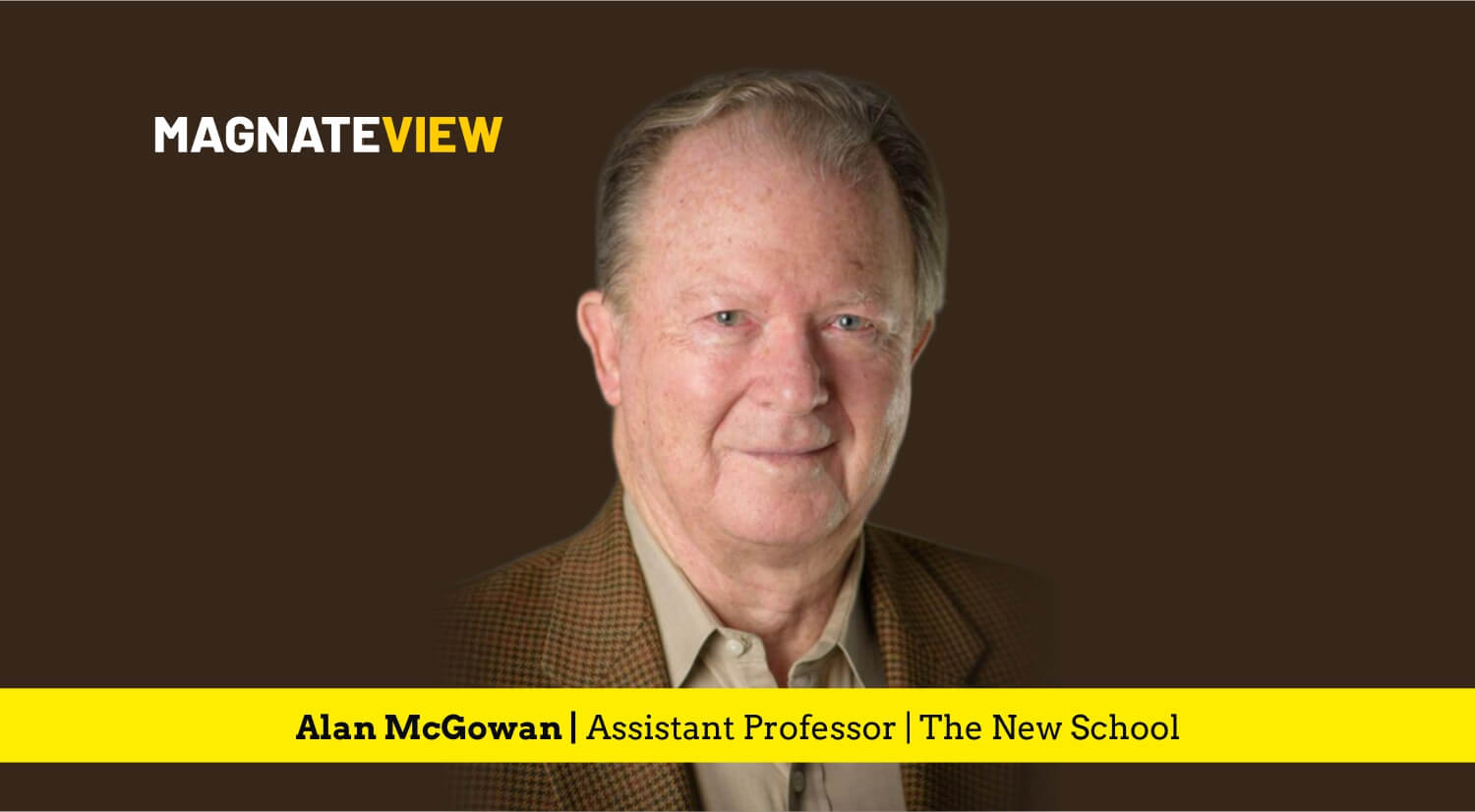

In this interview, we delve into the remarkable story of how Alan McGowan, Assistant Professor at The New School, embarked on his path to success in the world of education and scientific advocacy. Join us as Alan shares his experiences, defining moments, leadership philosophy, and the principles that have guided him throughout his career. Discover how his dedication to science, social responsibility, and equality has shaped both his personal and professional journey. Get ready to be inspired by Alan McGowan’s commitment to knowledge, integrity, and his tireless pursuit of societal progress through education and environmental awareness.
The Beginning of a Passionate Educational Journey
Alan McGowan’s journey began when he started teaching science in high school, where he quickly realized how much he enjoyed informing and inspiring people about the scientific enterprise. This early experience sparked his passion for education and communication, setting the foundation for a lifelong commitment to sharing the value of science with others.
The Moment That Changed Everything
The most pivotal moment in Alan’s career occurred when he first walked into a classroom and recognized the immense responsibility he held for the students he was teaching. That realization shaped his approach as an educator and reinforced his belief in the transformative power of education.
The Core Beliefs That Guide His Life
Alan is deeply committed to the benefit of everyone in society, using science as his vehicle to create positive change. He is a strong anti-racist and believes that all people are truly created equal. His sense of service extends beyond the classroom—he serves on several non-profit boards, including the Bermuda Institute of Ocean Sciences, and acts as Executive Editor of Environment magazine. Additionally, he contributes to the Advisory Committee at Arizona State University, exemplifying his dedication to advancing education and environmental awareness.
The Bold Step Toward Creative Expression
While Alan modestly describes it as “not a very bold move,” his decision to focus more on writing marks a significant and deliberate shift in his career. He has recently signed a contract for another book titled Life and Death in the Anthropocene, which continues his mission of exploring and communicating vital scientific and social issues.
The Power of Thinking Beyond Boundaries
Alan’s innovative spirit is reflected in his approach to problem-solving. He enjoys thinking outside the box, even when success is not guaranteed. This mindset has allowed him to remain adaptable and creative in addressing complex challenges throughout his career.
Leading with Integrity and Collaboration
Alan’s leadership experience is both broad and impactful. He served as President of the Scientists’ Institute for Public Information and has chaired both the Interdisciplinary Science Program and the Environmental Studies Program at The New School. His leadership has always been rooted in collaboration, inclusivity, and intellectual curiosity.
A Project That Embodies His Mission
One of Alan’s current projects is his forthcoming book, Life and Death in the Anthropocene. This project encapsulates his commitment to exploring humanity’s relationship with the environment and the profound challenges posed by the modern era.
Balancing Growth with Social Responsibility
Alan firmly believes that social and environmental responsibility far outweigh economic growth. While he values progress, he emphasizes that true advancement must prioritize sustainability and equality. He also expresses a desire to see continued growth within the non-profit environmental community, which plays a crucial role in addressing global challenges.
A Leadership Style Rooted in Example
Alan describes his leadership style as relaxed and guided by example rather than command. He believes that authentic leadership arises from integrity, mutual respect, and the willingness to engage others in shared goals and decision-making.
Building Resilience Through Inclusivity and Trust
For Alan, resilience and drive come from inclusivity and collaboration. He believes that involving everyone in the decision-making process not only strengthens outcomes but also reveals hidden leadership potential within individuals. His approach fosters unity, empowerment, and collective resilience.
The Future of Higher Education and Society
Alan views the future of higher education with optimism and purpose. He believes that the sector is undergoing a transformative shift, recognizing its broader responsibility to society. For Alan, higher education should go beyond vocational training to cultivate responsible citizens capable of driving social change. He draws inspiration from the “New American University” model proposed by Michael Crow, President of Arizona State University, which embodies this forward-thinking vision.
Environmental Progress and the Path to Unity
In addition to his work in education, Alan is deeply engaged in the environmental community. What excites him most is the growing recognition that environmental and climate issues must be addressed alongside social challenges such as income inequality, racism, and anti-Semitism. He sees this integrated approach as a vital step toward building a more just and sustainable world.
The Legacy of Commitment and Change
Alan hopes his legacy will be one of commitment to social change. Through his teaching, writing, and advocacy, he strives to inspire others to pursue fairness, equity, and scientific understanding as cornerstones of a better society.
A Personal Message for Future Leaders
Alan’s message to others is clear and empowering: take risks, and do not be afraid of failure. He reminds us that failure is often the greatest teacher and that most people are more capable than they realize. He acknowledges that many successful individuals struggle with “imposter syndrome,” but urges them to recognize their worth and own their accomplishments. Above all, he encourages everyone to inspire others, as mutual inspiration fosters growth and confidence.
The Inspiration Behind His Lifelong Work
Alan draws profound inspiration from Franz Boas, the anthropologist known as the “Father of American Anthropology.” His admiration for Boas led him to write The Political Activism of Anthropologist Franz Boas, Citizen Scientist. He was inspired by Boas’s groundbreaking methods and his courage to challenge the notion of racial superiority through rigorous scientific work. Boas’s dedication to democracy and intellectual freedom deeply influenced Alan’s own belief in the power of science as a tool for justice and social progress.
In conclusion, Alan McGowan’s journey stands as a testament to the transformative power of education, science, and social responsibility. Through his unwavering dedication to teaching, leadership, and advocacy, he continues to inspire countless individuals to think critically, act compassionately, and contribute meaningfully to society. His belief in equality, collaboration, and the pursuit of knowledge exemplifies the values needed to shape a better and more sustainable future. Alan’s story is not just about professional success—it is about purpose, perseverance, and the enduring impact of using one’s talents to serve humanity and the planet.